
Ingredients
- 1 lb lamb shoulder, bone‑in, cut into chunks (or swap in chicken thighs if you prefer)
- 1 large bunch fresh mloukhia leaves (if you can’t find them, frozen works—just thaw first)
- 2 tbsp olive oil
- 1 medium onion, finely chopped
- 2 garlic cloves, minced
- 1 tsp ground coriander
- 1 tsp harissa paste (adjust to your heat tolerance)
- 4 cups chicken broth (homemade if you’ve got it)
- Salt and freshly cracked pepper, to taste
- Optional: 1 tbsp dried shrimp, crushed (adds that deep, umami punch my grandma loved)
Hearty Mloukhia Stew Recipe | Tunisian Green Gold Soup (No Slimy Surprise)
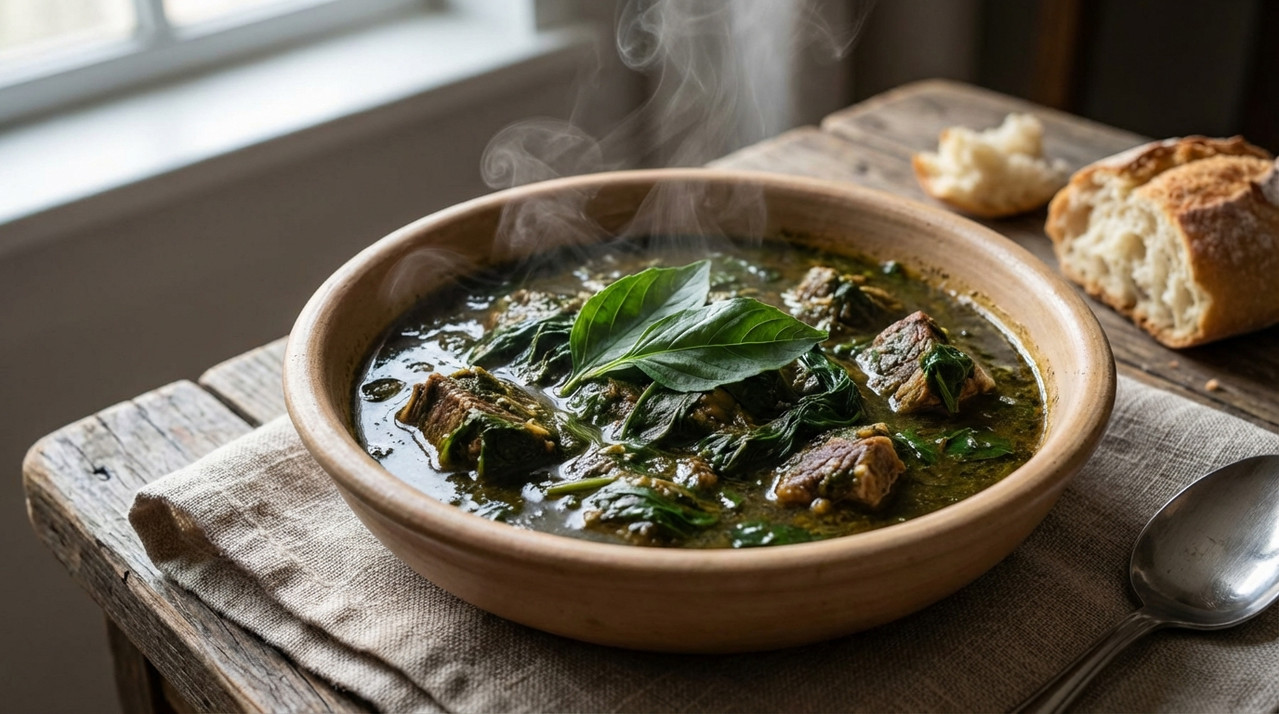
I still remember the first time I watched my Aunt Laila pull a huge sack of glossy green leaves from the market stall in Sfax. “Mloukhia,” she said, grinning, “is the secret that turns a simple broth into something that hugs you from the inside.” I was skeptical—those leaves looked a bit like overgrown kale, and the word “slimy” had me side‑eyeing the pot. But after a few minutes of simmering with tender lamb, a splash of harissa, and a whisper of coriander, the broth transformed into a velvety, emerald‑colored stew that clung to the spoon just right. It’s the kind of dish that makes you pause, take a breath, and think about the generations of Tunisian kitchens that have kept this tradition alive.
What I love most is how forgiving it can be once you get the basics down. The trick isn’t some high‑falutin technique; it’s just patience and a little respect for the leaves. If you’ve ever ended up with a pot that felt more like a swamp than a stew, trust me—you’re not alone. I once added the leaves too early and ended up with a texture that could have been used as wallpaper paste. The fix? Toss them in at the very end, give everything a gentle stir, and let the heat do the rest. Before you know it, you’ll have a bowl that’s thick enough to coat a spoon but still light enough to sip like a warm hug on a chilly evening.
So grab your biggest pot, round up a few friends (or just your curious cat), and let’s chase away that fear of “slimy” forever. This isn’t just food; it’s a little piece of Tunisian heritage served up with love, a pinch of spice, and a whole lot of heart. Ready to make it your own? Let’s get cooking.
Instructions
- Heat the olive oil in a heavy‑bottomed pot over medium heat. Toss in the chopped onion and let it soften, stirring occasionally, until it turns a sweet golden pink—about 5 minutes.
- Add the garlic, ground coriander, and harissa paste. Cook for another minute, just until the aromas pop and the kitchen starts smelling like a sun‑warmed market.
- Drop in the lamb chunks, browning them on all sides. This step builds depth; don’t rush it—let the meat develop a light crust.
- Pour in the chicken broth, bring the mixture to a gentle boil, then lower the heat and let it simmer, uncovered, for 30 minutes. Skim off any foam that rises to keep the broth clean.
- While the broth simmers, gently rinse the mloukhia leaves under cold water. Pat them dry and set aside.
- After the lamb has cooked through and the broth has thickened slightly, season with salt and pepper. If you’re using dried shrimp, stir them in now for that extra umami boost.
- Turn off the heat and add the mloukhia leaves. Stir just until they’re fully incorporated; the residual heat will wilt them without over‑cooking.
- Cover the pot and let the stew sit for 5 minutes. This rest allows the flavors to meld and the texture to settle into that perfect, silky consistency.
- Give everything a final taste, adjust seasoning if needed, and ladle the stew into bowls. Serve hot with crusty bread or a side of fluffy couscous.